Finding Certified Tree Care Specialists
By Elena Thornton / Oct 15
Safety in tree care operations is not just a regulatory requirement—it's a crucial element for the well-being of workers and the environment. With increasing awareness about the importance of safety, understanding tree service safety assessments can significantly enhance operational integrity. Are you prepared to take your tree care safety practices to the next level?
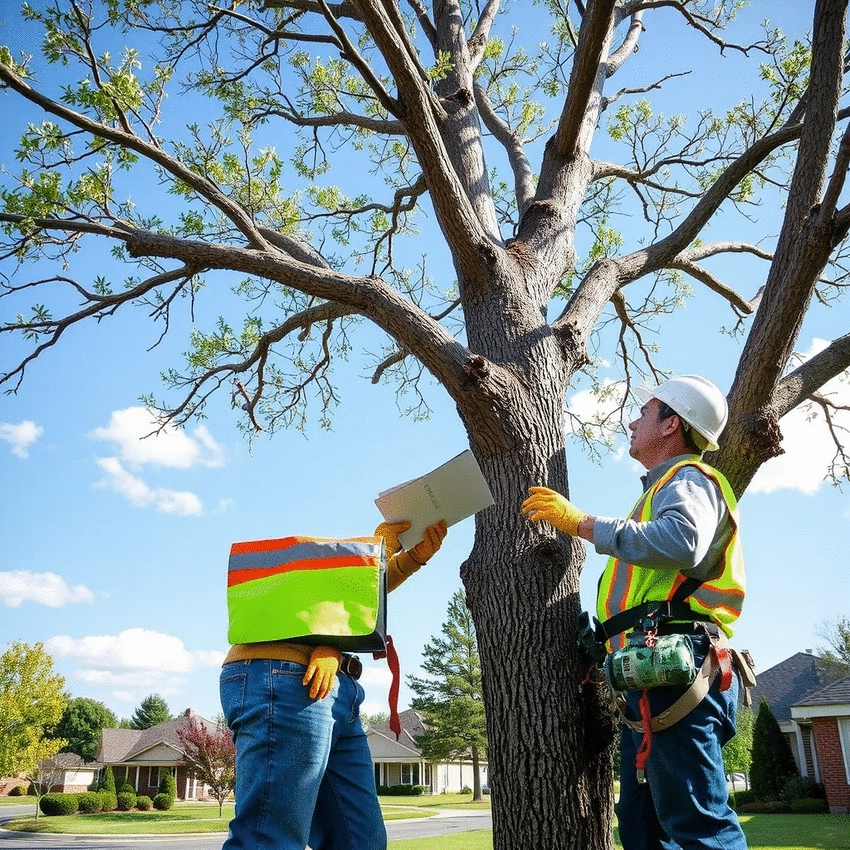
Understanding the essential components of tree service safety assessments can significantly enhance operational safety. Below is a visual representation of the critical areas to focus on.
Assess potential hazards present in the work environment to ensure a safe operational area.
Ensure all equipment is properly maintained and safe to use to prevent accidents.
Review compliance with safety regulations and ensure workers follow best practices.
Foster a culture of safety among workers to minimize risks and enhance operational efficiency.
When it comes to tree care, ensuring safety is paramount. At Arbor & Trust, I believe that understanding tree service safety assessments is a crucial step in protecting both workers and the environment. Safety assessments help identify potential hazards before they become real problems, allowing for safer tree care operations and giving peace of mind to everyone involved.
So, what exactly does a tree service safety assessment entail? It's a systematic evaluation of the work environment and practices that examines potential risks. By conducting these assessments, businesses can spot unsafe conditions and procedures that might lead to accidents or injuries. This proactive approach not only ensures compliance with safety regulations but also fosters a culture of safety and responsibility. For those looking to find local arborists easily, understanding their commitment to safety is a key vetting factor.
A tree service safety assessment is like a health check-up for your tree care operations. It involves a thorough review of job sites, equipment, and practices to identify any risks that could harm workers or the surrounding environment. Think of it as an essential routine that keeps everyone safe and secure while they work among the branches and trunks!
These assessments can vary in scope, but they generally focus on key areas such as equipment safety, environmental conditions, and worker practices. By addressing these factors, arborists can implement necessary changes to enhance safety. In the end, a safety assessment is an investment in preventing accidents and promoting a safer work atmosphere.
At its core, a tree service safety assessment is a detailed process that evaluates how tree care tasks are performed. This includes looking at everything from how tools are used to the safety measures in place for climbing and pruning. By conducting these assessments, businesses can pinpoint potential issues that could lead to accidents or injuries.
Moreover, these assessments should be performed regularly, not just when a problem arises. Think of them as a safety net, helping to catch issues before they become serious. By maintaining this proactive stance, tree service contractors can ensure the well-being of their teams while providing high-quality care for our precious trees.
It’s not just about compliance; safety assessments are vital for creating a culture of safety in tree care operations. By recognizing potential hazards, tree service providers can significantly reduce the risk of accidents, injuries, and even fatalities. It's all about prioritizing the well-being of the workers who help maintain our landscapes!
In addition to protecting employees, thorough safety assessments can enhance a business's reputation. Clients are more likely to trust a tree service that demonstrates a commitment to safety and professionalism. At Arbor & Trust, we encourage everyone in the tree care community to prioritize safety as a core value in their operations. For more on ensuring a safe work environment, consider these tips for safety first in tree care.
Understanding the regulatory landscape is essential for tree care operators. Compliance with safety regulations not only keeps workers safe but also protects the environment. At Arbor & Trust, I am committed to ensuring that all tree services adhere to the necessary guidelines to promote safety and professionalism.
Here's a brief recap of the key points discussed so far:
In today's fast-paced world, technology plays a vital role in enhancing safety assessments in tree care. With the right digital tools, we can streamline compliance tracking and ensure that every step of the safety process is documented and accessible. At Arbor & Trust, I believe that adopting these innovations not only improves our operations but also contributes to a safer work environment for everyone involved!
To keep your tree care operations safe and compliant, consider utilizing specialized software and mobile applications. These tools are designed to help arborists manage safety assessments efficiently, allowing for quick updates and real-time data collection. Here are some popular options you might want to explore:
Investing in these tools can significantly reduce the time spent on administrative tasks, enabling your team to focus on what truly matters—ensuring a safe working environment. With a well-structured digital framework, safety assessments become more manageable and thorough, translating into real-life benefits.
When selecting a mobile app for job hazard analysis, you want to ensure it meets the specific needs of your tree service. Key features to look for include user-friendly interfaces, offline functionality, and robust reporting capabilities. Here’s a quick checklist to help you evaluate potential options:
By taking the time to evaluate these features, you can select the best tools that enhance your safety assessments while improving overall efficiency. When you find the right fit, you can rest assured that your tree service is on the path to success! This is also an important aspect when hiring arborists, as their use of modern safety tools can indicate their overall quality.
Incorporating technology into your safety assessments provides numerous benefits that can elevate your tree care operations. Some of the most significant advantages include:
By leveraging these technological tools, Arbor & Trust remains committed to promoting safety and professionalism in the tree care sector. Embracing innovation is a crucial step in ensuring that our community is equipped with the best practices for tree service safety assessments!
Nothing beats learning from real-world experiences, right? When it comes to tree service safety assessments, analyzing past case studies can provide us with invaluable insights. By examining both successful assessments and those that didn’t go as planned, we can uncover lessons that guide our future practices.
Successful safety assessments are often characterized by thorough planning and execution. Let’s look at some key components that contributed to their success:
Implementing these elements can significantly improve your own safety assessment processes. When your team feels involved and informed, they are more likely to adhere to safety protocols and maintain a culture of accountability.
On the flip side, examining failed safety assessments can be equally enlightening. Analyzing the reasons behind these failures helps us avoid similar pitfalls in the future. Some common factors that led to unsuccessful assessments include:
At Arbor & Trust, we take these lessons to heart. By studying what didn’t work, we can continuously improve our safety practices and stay ahead of the curve!
Urban and residential tree service operations often face unique challenges. Factors like limited space, nearby structures, and varying regulations all play a role in how safety assessments are conducted. Here are a few special considerations to keep in mind:
By tailoring our safety assessments to address these specific challenges, we can enhance safety not only for our workers but also for the community at large.
At Arbor & Trust, I firmly believe that the involvement of all workers in the safety assessment process is essential. When everyone contributes to safety practices, it fosters a sense of ownership and accountability, leading to a more secure working environment.
To truly engage your team, create an environment where everyone feels comfortable sharing their insights and concerns. Here are some effective strategies to encourage participation:
These steps can significantly enhance worker engagement and, in turn, improve the effectiveness of your safety assessments. Remember, teamwork makes the dream work! When choosing tree care professionals wisely, ensure they prioritize team involvement in safety.
Understanding worker perspectives on safety practices can lead to more effective assessments. Listening to their experiences can highlight gaps and opportunities for improvement. Consider these questions to facilitate open dialogue:
By investing time in these discussions, you can create a responsive safety culture that values input from every team member.
Fostering a strong safety culture goes beyond just checking off boxes during assessments. It involves nurturing an environment where safety is a shared responsibility. Here are some tips to promote this culture:
At Arbor & Trust, we strive to embody these principles in our operations, ensuring that safety is not just a priority, but a core value that shapes our work every day.
Knowing how often to conduct safety assessments is crucial. It's not just about ticking off a box; it’s about maintaining a proactive approach to safety. At Arbor & Trust, we recommend implementing a routine that keeps everyone on their toes!
The frequency of safety assessments can vary based on several factors, including the nature of the work, the environment, and incident history. Here’s a general guideline:
By scheduling assessments regularly, you ensure that safety remains a part of your daily routine, fostering a culture of vigilance and care.
Establishing a clear schedule for safety assessments helps maintain accountability and consistency. Consider the following when setting up your assessment calendar:
Keeping a consistent schedule allows your team to anticipate assessments, thereby enhancing overall readiness and response!
In addition to regular assessments, implementing compliance audits is an essential practice in maintaining safety standards. Here are some best practices for conducting effective audits:
At Arbor & Trust, we prioritize compliance audits as a way to ensure that our safety practices are continuously improving and adapting to changes in the industry.
A tree service safety assessment is a thorough evaluation of job sites, equipment, and worker practices to identify potential risks and ensure compliance with safety regulations.
Safety assessments are crucial for identifying hazards, reducing the risk of accidents and injuries, protecting workers, enhancing a company's reputation, and promoting a strong safety culture.
Assessments should be conducted before new projects, at least quarterly, and whenever there are changes in procedures or equipment. Regular scheduling helps maintain vigilance and care.
Technology, such as mobile apps and specialized software, can streamline compliance tracking, enable real-time data collection, improve communication, and enhance documentation for more efficient and thorough safety assessments.
Engagement can be encouraged through regular safety meetings, incorporating feedback from ground crews and climbers, recognizing proactive safety suggestions, and fostering an environment where everyone feels comfortable sharing insights and concerns.
As we wrap up, let’s reflect on the key takeaways for creating a comprehensive safety framework for tree services. A well-structured approach to safety assessments not only protects your team but also enhances the quality of your work.
To build a solid safety framework, consider implementing the following recommendations:
With these strategies in place, you can ensure that safety is woven into the very fabric of your tree care operations, leading to a more secure and efficient workplace.
Finally, maintaining thorough documentation of safety assessments is critical. This not only supports compliance with regulations but also serves as a reference for continuous improvement. Key practices include:
By prioritizing proper documentation, you create a transparent and accountable safety culture that benefits everyone involved in tree care.
As we conclude our discussion, I urge you to take immediate action in enhancing your safety practices. By implementing a robust safety assessment plan, you’re not just protecting your team; you’re also contributing to a safer community!
To get started, consider taking the following steps:
These small steps can lead to significant improvements in safety outcomes for your tree care operations. For a deeper understanding of best practices, explore assessing tree care contractor quality.
To continue enhancing your knowledge of safety practices, explore the following resources:
At Arbor & Trust, we’re committed to supporting you as you embark on this journey toward improved safety in tree care. Together, we can make a difference!
Here is a quick recap of the important points discussed in the article:
By Elena Thornton / Oct 15
By Elena Thornton / Oct 08
By Elena Thornton / Sep 29