Safety should never be an afterthought, especially in tree care where the stakes are high. A single moment of negligence can lead to severe accidents or even fatalities. The importance of instilling a safety-first mindset cannot be overstated. Here are the key takeaways from our exploration of safety practices in tree care.
What You Will Learn
Recognize common hazards in tree work, such as falling branches and electrocution risks associated with power lines.
Understand the critical role of Personal Protective Equipment (PPE), including hard hats, eye protection, and chainsaw-resistant gear, in ensuring worker safety.
Grasp the principles of arboriculture and how knowledge of tree biology contributes to safer decision-making in tree maintenance.
Learn the importance of establishing a robust safety culture that includes regular training, open communication, and accountability among team members.
Identify actionable steps for both homeowners and professionals, such as researching service providers and inquiring about safety measures before hiring.
Discover how community engagement, including workshops and social media, can enhance awareness and promote safer tree care practices.
Key Hazards and PPE in Tree Care
Understanding the importance of personal protective equipment (PPE) and common hazards can significantly reduce risks in tree care operations.
Common Hazards in Tree Work
Falling Branches: Risk of injury from unexpected branch shedding.
Electrocution: Danger when working near power lines.
Chainsaw Injuries: Potential for severe injuries from improper use.
Personal Protective Equipment (PPE)
Hard Hats: Essential for protection against falling debris.
Eye Protection: Shields from particles and dust.
Hearing Protection: Necessary for using loud machinery.
Chainsaw-Resistant Gear: Protects against cuts.
Fall-Arrest Systems: Prevents falls when working at heights.
Understanding the Significance of Safety Practices in Tree Care
When it comes to tree care, prioritizing safety is not just a good idea—it's essential! Tree work involves various hazards that can pose significant risks to both workers and the environment. By understanding these risks, we can take proactive measures to mitigate them and ensure that every tree care operation is as safe as possible.
Evaluating the Risks: Common Hazards in Tree Work
Tree work can be a rewarding job, but it's also fraught with dangers. Here are some common hazards you should be aware of:
Falling branches: Even healthy trees can shed branches unexpectedly, posing a risk to workers below.
Electrocution: Trees near power lines can lead to dangerous situations; getting too close to these lines can have fatal consequences.
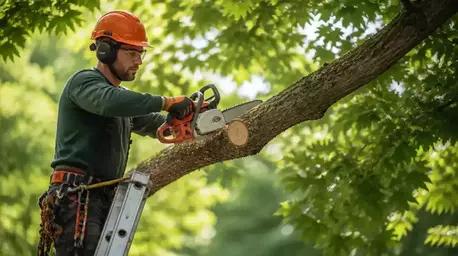
Chainsaw injuries: Operating chainsaws requires skill and caution; improper use can result in severe injuries.
Understanding these hazards is the first step to creating a safer working environment. I often remind my team at Arbor & Trust to approach every job with a keen eye on safety, as it can make all the difference in preventing accidents!
The Role of Personal Protective Equipment (PPE)
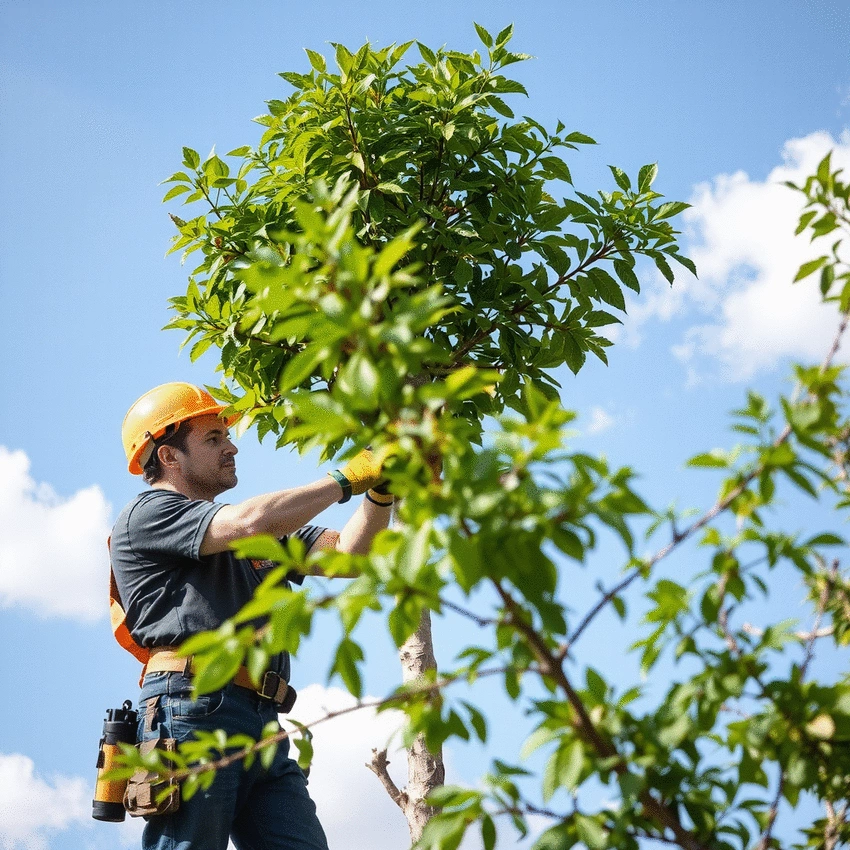
Personal Protective Equipment (PPE) is crucial in minimizing risks in tree work. Every worker should be equipped with the following essentials:
Hard hats: Protects against falling debris.
Eye protection: Shields the eyes from flying particles and dust.
Hearing protection: Vital when using loud machinery.
Chainsaw-resistant gear: Offers protection against cuts and lacerations.
Fall-arrest systems: Essential for climbing and working at heights, helping to prevent falls.
At Arbor & Trust, we emphasize the importance of wearing the right PPE. It’s like putting on your seatbelt before driving; it’s all about being prepared for whatever comes your way!
Understanding Arboriculture and Its Safety Implications
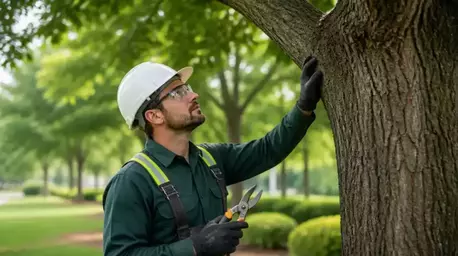
Arboriculture is more than just tree care—it is a science dedicated to the cultivation, management, and study of individual trees. Understanding the principles of arboriculture is essential for maintaining safety in all aspects of tree work. A solid grasp of tree biology enables professionals to identify structural weaknesses, evaluate environmental risks, and make informed decisions about pruning, removal, or long-term maintenance.
Equally important is working with qualified professionals who prioritize safety and proper training. Knowing how to find local arborists easily ensures that tree care is handled by experts who follow industry standards and understand the unique needs of each tree. Proper vetting helps reduce accidents, protects surrounding property, and promotes healthier urban and residential landscapes.
Establishing a Robust Safety Culture in Tree Care Operations
As we transition into establishing a safety culture, it’s clear that implementing structured safety practices is non-negotiable in tree care operations. A commitment to safety not only protects workers but also fosters trust with clients, leading to better service delivery.
Pro Tip
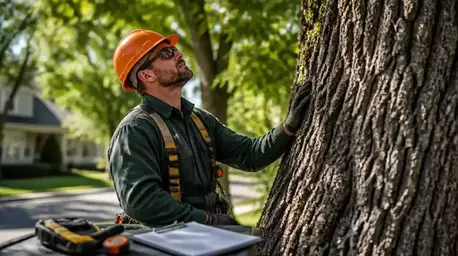
Did you know? Regular safety audits can significantly reduce accidents in tree care operations. By assessing your safety practices periodically, you can identify potential hazards and areas for improvement, ensuring that every worker is equipped with the knowledge and tools necessary to perform their job safely.
Summarizing the Importance of Safety Practices in Tree Care
As we wrap up our discussion on safety practices in tree care, it’s vital to recognize that fostering a strong safety culture is not just beneficial; it’s essential. At Arbor & Trust, we believe that a commitment to safety protects not only the workers but also the properties and communities they serve. By prioritizing safety, we can ensure that tree care operations run smoothly without unnecessary risks.
To reinforce this commitment, every tree service provider should consistently evaluate their safety practices and make improvements where necessary. This ongoing evaluation helps to build trust with clients and enhances the overall standard of care within the industry. After all, when everyone understands and embraces safety protocols, we create a win-win situation for all involved!
Reinforcing the Commitment to Safety Culture
Creating a culture of safety in tree care isn’t just about following rules; it’s about instilling a mindset that values the well-being of every individual on the job. Here are some key elements that help reinforce a safety culture:
Regular Training: Continuous education for workers ensures they stay updated on the latest safety practices.
Open Communication: Encouraging team members to voice concerns about safety improves awareness and responsiveness.
Accountability: Holding everyone accountable for their actions fosters a sense of responsibility.
Recognition: Acknowledging safe practices among workers can motivate others to follow suit.
By integrating these elements into the daily routines of tree care operations, we can create an environment where safety is a shared priority, making the industry safer for everyone.
Engaging Readers: Call to Action for Safety Awareness
Now that we’ve explored the importance of safety in tree care, I encourage you to take action! Whether you're a homeowner or a tree care professional, adopting best safety practices is crucial. Here are some steps you can take:
Research Providers: Always check the safety credentials of tree service companies before hiring.
Use PPE: Ensure that you or your workers are equipped with proper personal protective equipment when engaging in tree work.
Stay Informed: Keep yourself updated on safety standards and best practices in the industry.
Ask Questions: Don’t hesitate to inquire about safety measures when hiring a contractor.
By being proactive, we can significantly reduce risks and create safer environments for tree care activities. Let’s turn awareness into action!
Promoting Community Awareness and Education
At Arbor & Trust, we believe that community engagement plays a crucial role in enhancing tree care safety. When communities come together to promote awareness, we can cultivate a safer environment for everyone involved. Here’s how we can do this:
Workshops and Seminars: Organizing educational events can help spread knowledge about safe tree care practices.
Collaborate with Local Services: Partnering with local tree services can help share resources and expertise.
Share Success Stories: Highlighting examples of safe tree care can inspire others to adopt similar practices.
Utilize Social Media: Use platforms to share tips and raise awareness about tree care safety within the community.
By fostering a culture of safety and community awareness, we can all contribute to a safer environment for tree care. Let’s work together to educate and support one another in making informed decisions!
Frequently Asked Questions (FAQs)
What are the most common hazards in tree work?
The most common hazards include falling branches, electrocution from proximity to power lines, and severe injuries from improper chainsaw use.
Why is Personal Protective Equipment (PPE) so important in tree care?
PPE such as hard hats, eye protection, hearing protection, chainsaw-resistant gear, and fall-arrest systems are crucial for minimizing risks and protecting workers from potential injuries.
How does arboriculture contribute to safety in tree care?
Knowledge of arboriculture, which is the science of tree cultivation and management, helps professionals assess risks accurately, understand tree biology, and make informed decisions that ensure safer tree maintenance practices.
What constitutes a robust safety culture in tree care operations?
A robust safety culture involves regular training, open communication among team members regarding safety concerns, accountability for actions, and recognition of safe practices.
What steps can homeowners take to ensure safety when hiring tree care services?
Homeowners should research service providers, inquire about their safety measures and credentials, and ensure that the chosen company adheres to proper safety standards and uses appropriate PPE.
Recap of Key Points
Here is a quick recap of the important points discussed in the article:
Prioritize Safety: Understanding and mitigating risks is essential for safe tree work.
Common Hazards: Be aware of falling branches, electrocution risks, and chainsaw injuries.
Use Proper PPE: Equip workers with hard hats, eye protection, hearing protection, chainsaw-resistant gear, and fall-arrest systems.
Understand Arboriculture: Knowledge of tree biology is crucial for making informed safety decisions.
Establish a Safety Culture: Implement structured safety practices that reinforce accountability, open communication, and regular training.
Community Engagement: Promote safety awareness through workshops, collaboration with local services, and sharing success stories.
Take Action: Research tree service providers, ensure the use of proper PPE, stay informed about safety standards, and ask questions about safety measures.