Finding Certified Tree Care Specialists
By Elena Thornton / Oct 15
Choosing the right tree care professional can significantly impact the health of your trees and the safety of your property. With proper expertise, you can ensure that your landscape thrives, while also preventing potential hazards. Let’s delve into the vital lessons on selecting qualified tree care specialists.
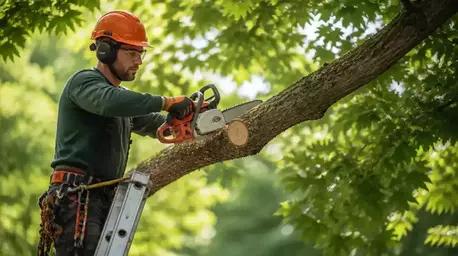
Proper tree care is vital for health and safety. Below are the essential components and their benefits visually represented.
Choosing the right tree care professional can feel overwhelming, but it’s essential for the health of your trees and safety of your property. Trees are living organisms that require expert care, and hiring someone with the right qualifications can make all the difference. At Arbor & Trust, we believe it’s crucial to understand why selecting qualified professionals is so important—after all, it’s not just about aesthetics; it’s about health and safety, too! To ensure you're making the best choice, consider reading our guide on identifying a quality tree service.
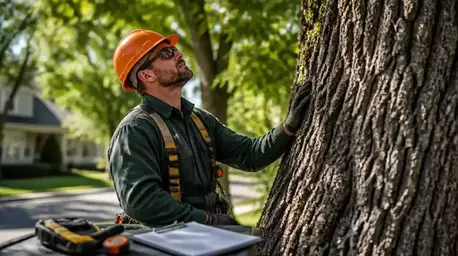
Imagine a tree in your yard that looks beautiful but is harboring a hidden disease. A qualified arborist can spot those issues before they become a threat to your home or family. By ensuring that you hire someone with the right skills and knowledge, you’re investing in the longevity of your trees and the safety of your surroundings.
Tree care is more than just trimming branches; it’s a vital aspect of maintaining your landscape's health. When trees are cared for properly, they can thrive, providing shade, beauty, and even cleaner air. On the flip side, neglect can lead to dangerous situations, like falling limbs during a storm, which can cause injuries or property damage.
Here are a few reasons why proper tree care is essential:
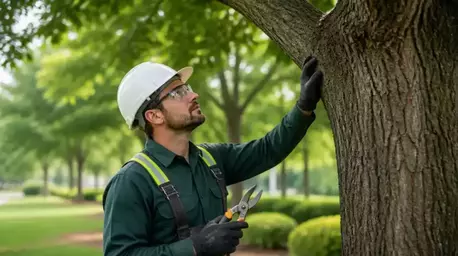
When searching for tree care professionals, it’s important to know what credentials to look for. A qualified arborist should have specific training and certifications that demonstrate their expertise. This can include educational background, hands-on experience, and any relevant licenses.
Here are some credentials to consider when evaluating potential tree care services:
At Arbor & Trust, we encourage you to ask potential contractors about their qualifications. A professional will proudly share their experience and certifications, giving you peace of mind as you make your selection. For more detailed information, explore our article on understanding arborist certifications and licensing.
Here's a brief recap of the key points discussed so far:
Choosing the right tree care professional can feel overwhelming, but asking the right questions can help clarify your options! As a tree care advocate, I believe that engaging in dialogue with potential contractors is essential. This not only ensures that you're making an informed decision but also sets the tone for the kind of relationship you'll have with them throughout the project.
Before committing, it’s vital to create a checklist of questions to guide your conversations. This checklist can help you cover all important aspects, ensuring you don’t miss anything crucial. Here’s a list of essential questions to consider:
Having a checklist during the interview process not only keeps you organized but also shows the contractor you’re serious about safety and quality. A well-prepared checklist can help ensure you cover all critical points, making your decision easier. Be sure to include specific points that reflect your unique tree care concerns and priorities! For a comprehensive guide on what to ask, check out our key questions for hiring arborists.
Some additional tips for your checklist might include:
To make the process even easier, I’m excited to share a free downloadable resource that includes a comprehensive client interview checklist. This tool is designed to empower you as a homeowner or business owner in making the best choice for your tree care needs. You can find it on our website at Arbor & Trust, where we strive to help you connect with qualified professionals!
Your search for a tree care professional should also consider regional regulations and the specific needs of the trees in your area. Different regions may have unique requirements for tree service providers, so being informed is key to ensuring compliance and safety.
Additionally, understanding local certifications can help you narrow down your options. This is particularly important when caring for specific tree species that may require specialized knowledge. Taking the time to research these factors can lead to a much more effective tree care experience!
Regulations vary by region, and it’s important to check what’s required in your area. Here are some aspects to consider:
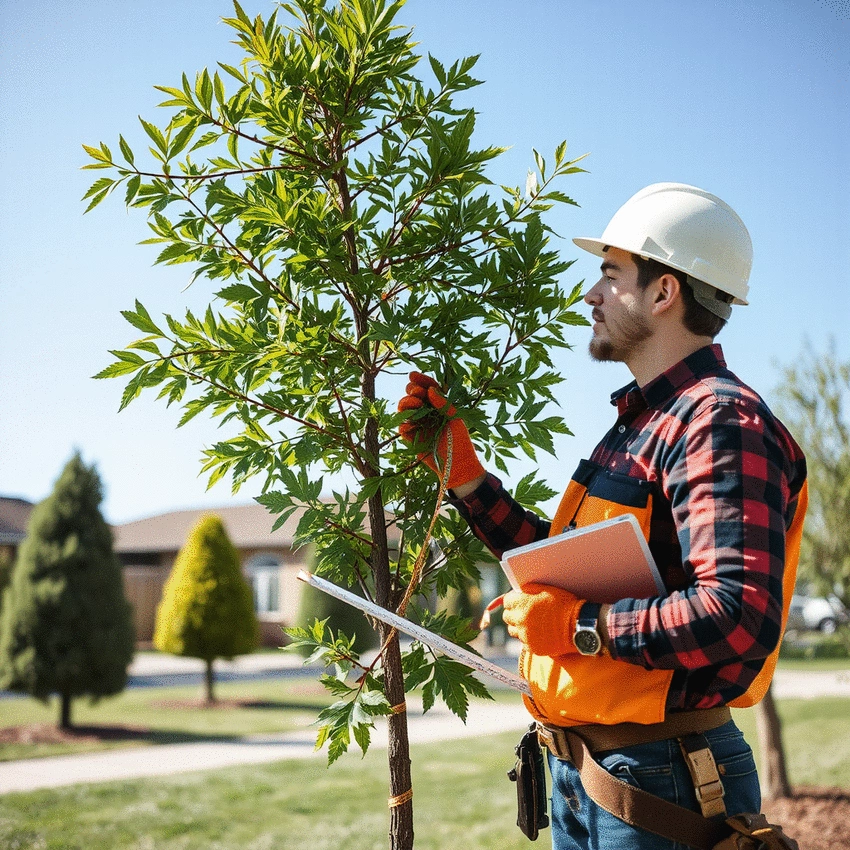
Just like people, trees have diverse needs based on their species! Some may require specific pruning techniques or treatments. This is where specialization comes into play. Look for tree care professionals who have experience with the type of trees in your yard or landscape.
In your search, consider asking about:
Emergencies can happen, and it’s essential to know who to call when a storm damages your trees or an unexpected issue arises. Many tree care companies offer emergency services, but not all are equipped the same way! For more information on this, you can visit our page on safety first in tree care.
When evaluating companies, ask:
Once the work is completed, the relationship with your tree care provider should not end! Engaging in post-service communication is crucial for ensuring that everything was done correctly and to your satisfaction. At Arbor & Trust, I believe that this follow-up is a vital step in maintaining a healthy tree care partnership.
Establishing a clear line of communication after the job can provide peace of mind. This is also an opportunity to ask any lingering questions or to discuss future care needs for your trees.
Post-service communication is essential for various reasons:
After your tree service is completed, take the time to evaluate the work done. Here are some aspects to consider:
Following service, I highly recommend scheduling regular tree health assessments to monitor the ongoing well-being of your trees. This is especially important after any significant work has been done. A qualified arborist can help identify any issues early and provide guidance on care practices moving forward.
Consider asking your tree care provider about:
As we wrap up this exploration of selecting the right tree care professional, it’s important to remember that quality matters! Investing in proper tree care not only enhances the beauty of your landscape but also ensures the health and safety of your trees.
In closing, here’s a final checklist for selecting your tree care provider:
Remember, at Arbor & Trust, I am here to support you in your tree care journey! Investing in qualified professionals can lead to a healthier, more beautiful landscape for years to come. Don’t hesitate to reach out for guidance, as we aim to empower you in making informed choices for your trees! You can easily find local arborists easily through our resources.
Here is a quick recap of the important points discussed in the article:
By Elena Thornton / Oct 15
By Elena Thornton / Oct 08
By Elena Thornton / Sep 29