Finding Certified Tree Care Specialists
By Elena Thornton / Oct 15
When it comes to the health and safety of your trees, conducting thorough research on local arborists can make all the difference. As you embark on this journey, remember that informed decisions lead to better outcomes for both your landscape and your peace of mind.
Understanding the various types of tree care services available is vital to selecting the right arborist. The key services include Pruning, Treatment, and Removal, each serving different purposes. For more details on finding local arborists easily, visit our guide on how to find local arborists easily.
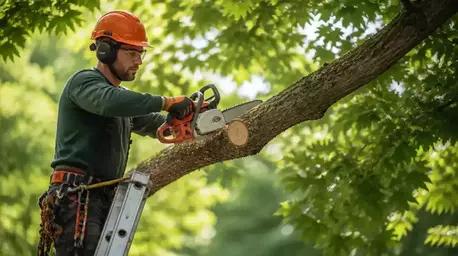
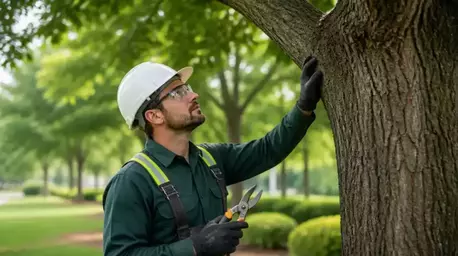
This service helps maintain tree health by removing dead or excess branches, enhancing aesthetics and overall vitality.
Treatment services focus on pest control and disease management, ensuring your trees flourish and remain healthy.
If a tree poses a safety risk, professional removal becomes crucial to prevent potential hazards to your property.
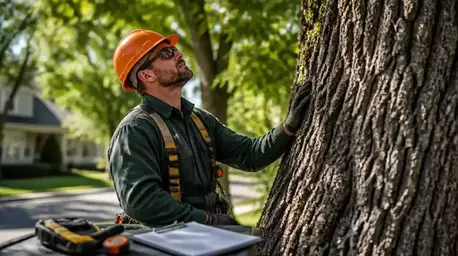
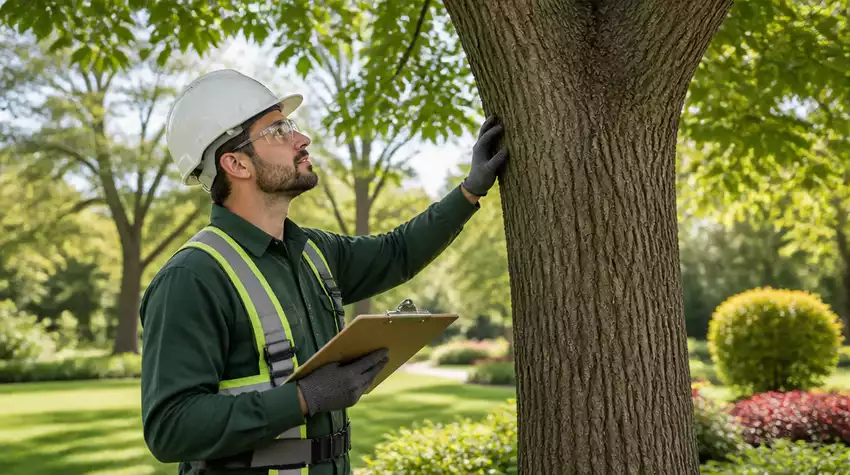
Arborists evaluate tree health, structural integrity, and environmental conditions to help you make informed decisions regarding tree care.
When it comes to caring for your trees, doing your homework is essential! Researching local arborists helps you identify the right professionals who can meet your specific needs. At Arbor & Trust, we believe that a well-informed choice not only supports the health of your trees but also ensures your safety and satisfaction.
Taking the time to assess your tree care needs is the first step in this journey. Are you looking for pruning, treatment, or even removal? Understanding your requirements helps you tailor your search and find an arborist who specializes in the services you seek.
Before contacting a tree service, it's important to clarify what you need. Each type of service addresses different aspects of tree care:
Recognizing these needs will help narrow down the options you have when searching for the right arborist. By figuring out exactly what service you need, you can confidently choose a professional who offers the best solutions for your situation. For more insights on how to choose wisely, check out our article on choosing a certified arborist wisely.
Each service requires different skills and equipment, so knowing what you need will guide your search. For instance, if you want to enhance your landscape’s aesthetic, pruning might be your focus. On the other hand, if your trees are struggling with pests, treatment services are essential.
It’s also vital to understand the risks involved in tree removal. Make sure to communicate your concerns to potential arborists, as this will allow them to tailor their approach accordingly. A good arborist will take time to discuss your specific needs and provide solutions that fit best.
Arborists play a crucial role in assessing tree risk. They evaluate factors such as tree health, structural integrity, and environmental conditions. By performing a thorough risk assessment, they can help you make informed decisions about tree care and maintenance.
Don’t hesitate to ask potential arborists about their assessment processes! A knowledgeable arborist will openly discuss their findings and offer recommendations tailored to your trees. Engaging in this dialogue fosters a partnership that prioritizes the well-being of your landscape.
Finding the right arborist shouldn’t feel like searching for a needle in a haystack. With effective strategies, you can simplify your search and focus on qualified professionals in your area. Arbor & Trust is here to help you navigate this process with ease!
One of the best ways to start is by utilizing online resources and directories. From search engines to specialized listings, there are many tools at your disposal to connect you with local arborists who meet your standards.
Here's a brief recap of the key points discussed so far:
As we wrap up our discussion on finding the right arborist, it’s essential to summarize the key steps in the research process. We’ve talked about identifying your needs, utilizing various resources, and vetting potential candidates. Each of these steps plays a crucial role in ensuring you select a professional who aligns with your expectations and can care for your trees safely and effectively.
Always remember that thorough vetting is not just a formality; it’s a safety measure for your property and your peace of mind. Trust me, taking the time to investigate credentials, experience, and reputation will pay off in the long run. When you invest in quality tree care, you’re not just caring for your trees—you’re enhancing the beauty and safety of your entire landscape.
Reflecting on our discussions, it’s clear that vetting potential arborists goes beyond just checking a box. It's about finding someone who shares your commitment to safety and quality care. The right arborist will prioritize these values, ensuring that your trees receive the attention they deserve. To learn more about assessing safety, check out our article on safety first in tree care.
At Arbor & Trust, we believe in the power of informed decision-making. By following these steps, you can feel confident in your choice of a tree care professional. So, don’t rush the process! Take your time to gather as much information as possible.
In the end, it’s about creating a partnership built on trust and expertise. I encourage you to take this journey seriously. You might even find that asking questions and engaging with potential contractors will lead to valuable insights into tree care practices. Remember, a qualified arborist is an ally in maintaining your green spaces!
Now that you have a solid understanding of how to research local arborists, it’s time to take the next step. Don’t hesitate to start your search today! The trees in your yard are counting on you to find the best care available.
This checklist is your roadmap! Keep it handy as you navigate the search process. By following it, you can ensure that no important step is overlooked, making your arborist selection as simple and effective as possible. For more guidance on what questions to ask, read our post on key questions for hiring arborists.
I’d love to hear from you! Have you had experiences with local arborists? Please share your stories and recommendations. Your insights can help others in our community make informed choices.
Remember, we are all in this together! By sharing your thoughts, you contribute to a more informed community. Your feedback can guide others to find reputable and skilled arborists in their area, fostering a culture of safety and excellence.
Lastly, let’s not forget about the larger picture. Consider getting involved in local forestry initiatives to promote tree health and conservation. By engaging in these activities, you not only enhance your knowledge but also contribute to a greener, healthier community.
Here is a quick recap of the important points discussed in the article:
By Elena Thornton / Oct 15
By Elena Thornton / Oct 08
By Elena Thornton / Sep 29