Finding Certified Tree Care Specialists
By Elena Thornton / Oct 15
Choosing the right arborist can feel daunting, but with the right knowledge, you can ensure that your trees receive the best care possible. Imagine transforming your landscape into a flourishing oasis with the help of a qualified professional. Here's what you need to know!
Here's a comparative analysis of the essential criteria to consider when hiring an arborist, visually represented below.
Verify that the arborist holds necessary certifications like ISA or ASCA.
Check for insurance coverage including liability and workers' compensation.
Request and review references from past clients to gauge satisfaction.
Gather written proposals to compare bids for services offered.
Be on the lookout for any red flags during your interactions.
Choosing the right arborist can feel overwhelming, but understanding their role in tree care is a great place to start! An arborist is like a doctor for trees, dedicated to maintaining their health and beauty. When you select a qualified professional, you're ensuring your trees get the care they need to thrive.
These experts specialize in everything from tree pruning and removal to diagnosing diseases. Their knowledge helps them make informed decisions about your trees, which is crucial for your landscape's longevity. At Arbor & Trust, we've seen firsthand how a skilled arborist can transform a backyard into a serene oasis! For more insights into selecting the right professional, check out our guide on how to find local arborists easily.
An arborist performs a variety of tasks aimed at promoting tree health, including pruning, planting, and diagnosing issues. They also assess tree risks and determine the best course of action to protect both your property and the trees themselves. When choosing an arborist, look for someone who can communicate clearly about their methods and findings!
Besides routine maintenance, arborists are also trained to identify pest infestations and tree diseases. They can provide valuable advice on the best tree species for your specific location. This knowledge not only enhances your landscape but also contributes to a healthier environment.
Investing in professional tree care is vital, especially when it comes to safety and aesthetics. A well-maintained tree can increase your property value and enhance your home’s curb appeal. However, neglecting tree care can lead to serious safety hazards, such as falling branches or property damage.
Moreover, a qualified arborist can help you avoid costly mistakes down the road. Hiring a professional ensures that your trees receive the right treatment at the right time. Remember, it’s about nurturing your trees so they can flourish in their environment! To ensure you're making a wise choice, learn about choosing a certified arborist wisely.
Certification is a strong indicator of an arborist's expertise! Certified arborists have undergone rigorous training and are well-versed in the latest techniques and standards in tree care. This identification helps ensure that they follow ethical and safe practices while working on your trees.
When reviewing potential candidates, always ask about their certifications. Look for those accredited by the International Society of Arboriculture (ISA) or other recognized organizations. This certification may just be the peace of mind you need while entrusting someone with your precious landscape.
Membership in professional organizations, such as the ISA or the American Society of Consulting Arborists (ASCA), reflects an arborist's commitment to their field. These affiliations often require ongoing education and adherence to high standards. It’s a sign that the arborist is staying current with industry practices!
When you’re evaluating arborists, don’t hesitate to ask if they belong to any professional groups. Their affiliation can indicate a dedication to quality work and continued professional development, making them a reliable choice for your tree care needs. For further reading, explore understanding arborist certifications and licensing.
Arborist certification demonstrates a commitment to competence in tree care practices. It ensures that the arborist has met specific educational and experience requirements. This can be particularly important when dealing with complex tree issues.
Additionally, a certified arborist is more likely to be familiar with safety protocols and best practices. This can save you a lot of stress and potential hazards down the line, allowing you to enjoy your trees without worry.
Insurance is a non-negotiable when hiring an arborist! Liability insurance protects you from costs associated with accidents or damages that may occur during the work. Similarly, workers’ compensation ensures that workers are covered in case of injury on the job.
When you’re vetting potential arborists, always ask for proof of insurance. A reputable professional will be happy to provide this information, demonstrating their commitment to safety and accountability.
Verifying an arborist's licensing is a straightforward process. Here’s how you can do it:
Following these steps can ensure that you're hiring a legitimate and qualified professional. Trust me, it’s worth the extra effort!
Understanding arborist insurance is crucial for protecting yourself and your property. Different policies cover various aspects of tree care, including general liability, property damage, and personal injury. If an arborist cannot provide satisfactory insurance information, it might be a sign to look elsewhere.
Consider discussing any specific concerns you have about insurance coverage. A professional arborist will appreciate your diligence and be willing to clarify any doubts!
References are essential when hiring an arborist because they provide insight into the quality of their work. Previous clients can offer honest feedback about their experiences, shedding light on the arborist's professionalism and reliability. This information can help you make an informed decision!
Don’t shy away from asking for references during your selection process. A trustworthy arborist will gladly share testimonials from satisfied customers, proving their reputation in the community.
Requesting and evaluating references is simple! Here’s a quick guide:
Following these steps can provide you with valuable information, ensuring you choose an arborist who aligns with your expectations.
A written proposal should clearly outline the scope of work, timelines, and costs. It acts as a roadmap for the project, helping you gauge if the arborist understands your needs. Be sure to review the proposal carefully and ask any questions before proceeding!
In a professional proposal, you should see details like:
When comparing arborists, it's essential to look beyond just costs. While price is important, consider the quality of service, reputation, and customer satisfaction as well! Take time to gather multiple bids to make an educated choice.
Keep in mind: the cheapest option might not always be the best. Look for a balance between affordability and the expertise you need to ensure your trees are well cared for.
Identifying red flags can help you avoid unqualified arborists. Look out for signs such as:
If you notice any of these warning signs, it’s best to proceed with caution. Trust your instincts, as they often guide us to safer paths. For a detailed discussion on this, read our article on warning signs when hiring arborists.
Understanding pruning standards is vital for both tree health and safety. An experienced arborist should be knowledgeable about the best practices and safety guidelines in the industry. This knowledge ensures that your trees are pruned correctly, promoting growth while minimizing risks.
Don't hesitate to ask potential arborists about their approach to pruning! A knowledgeable professional will be eager to explain their methods and the benefits behind them.
There are various tree pruning techniques that arborists may employ, including:
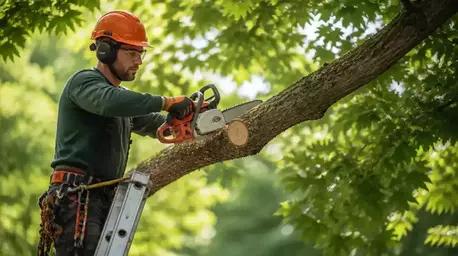
Alongside these techniques, safety equipment is also essential. A qualified arborist should use proper gear, such as helmets, gloves, and harnesses, to ensure their safety while working at heights.
Understanding industry standards like ANSI A300 and ANSI Z133 can help you gauge the quality of care your trees will receive. These standards outline best practices for tree care, ensuring safety and proper techniques are followed.
When interviewing potential arborists, ask how they incorporate these standards into their work. A knowledgeable arborist will be familiar with these guidelines and emphasize their importance in their services.
Safety should be a top priority in tree care. A qualified arborist must adhere to strict safety guidelines to protect themselves and your property. Look for professionals who prioritize safety in their approach and can explain their safety protocols!
It’s essential to ask about their plan for managing risks during tree work. A responsible arborist will have strategies in place to mitigate potential hazards.
Best practices in arboriculture involve more than just tree trimming; they encompass a holistic approach to tree health. Sustainable forestry is an integral part of this, focusing on maintaining biodiversity and protecting ecosystems.
When selecting an arborist, inquire about their commitment to sustainable practices! A passionate arborist will be eager to share their approach to preserving the environment while providing top-notch tree care.
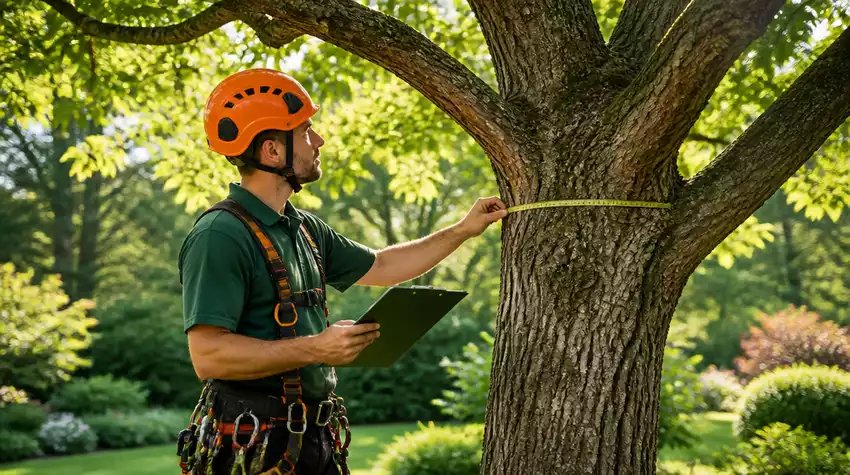
A tree risk assessment is an essential tool for determining the health and safety of your trees. Qualified arborists conduct these assessments to identify potential hazards and recommend appropriate actions. This process ensures that your trees remain safe and healthy!
Don’t hesitate to ask potential arborists how they approach tree risk assessments. A thorough evaluation can save you from unexpected issues and ensure your trees thrive!
Not all trees are created equal! Understanding which tree species thrive in your specific environment is critical. A qualified arborist will possess knowledge about site-specific species and how to care for them.
During your discussions, ask about the arborist's experience with your tree species. This insight can guide you in choosing someone with the expertise your landscape needs!
Urban tree preservation planning is vital for maintaining green spaces in our cities. A qualified arborist can help develop strategies to protect existing trees while promoting new growth. This planning ensures a healthy urban ecosystem for generations to come!
If you live in an urban area, ask potential arborists about their approach to tree preservation. Their commitment to sustainable practices can make a significant impact on your community. For further information, see our post on safety first in tree care.
Tree health assessments are crucial for identifying underlying issues before they become significant problems. An experienced arborist can diagnose diseases and recommend treatments to keep your trees healthy.
When hiring an arborist, inquire about their diagnostic process. A comprehensive assessment can save you time and money in the long run!
Sometimes, emergencies happen, and you may need immediate tree care! Whether it’s a fallen tree after a storm or a branch threatening to break, having access to emergency tree services is essential. A qualified arborist will provide timely assistance, ensuring safety and peace of mind.
When discussing potential arborists, ask if they offer emergency services. Knowing you have a reliable professional to turn to can relieve stress during unpredictable situations!
Did you know? When selecting an arborist, it's beneficial to schedule an initial consultation. This meeting not only allows you to discuss your tree care needs but also gives you a chance to assess the arborist’s communication style and approach to tree health. A good arborist will take the time to explain their methods and answer any questions you have, ensuring you feel confident in your choice!
As we wrap up our discussion on selecting a qualified arborist, it's essential to remember the key takeaways. The process isn’t just about finding someone to trim your trees; it’s about ensuring your trees receive the best care possible. From understanding the role of an arborist to verifying credentials, every step is crucial in making an informed decision!
Here’s a quick recap of what to look for during your search: prioritize certifications, check for insurance, ask for references, and watch out for common red flags. Keeping these criteria in mind will help you feel more confident in your selection process. Trust me, following these steps will lead to a healthier landscape!
To simplify the hiring process, I've compiled a checklist for hiring a qualified arborist. This handy guide will help you evaluate potential candidates systematically:
This checklist not only streamlines your search but also sets the foundation for a successful partnership with your chosen arborist. Each point is designed to ensure that you’re making a well-informed decision that benefits your trees and your property!
Many people have similar questions when it comes to hiring an arborist. Here are some of the most common inquiries I hear:
These FAQs often arise during consultations, and having answers can empower you in the decision-making process. Remember, a knowledgeable arborist will be happy to address any concerns you might have!
Now that you're equipped with essential information, it’s time to take action! I encourage you to begin your search for a qualified arborist today. Reach out to local professionals, and don’t hesitate to ask questions or request proposals.
By engaging with multiple arborists, you’ll find the one who resonates with your values and understands your tree care needs. Together, we can promote safe and professional practices in arboriculture. Let’s get those trees healthy and thriving!
Here is a quick recap of the important points discussed in the article:
By Elena Thornton / Oct 15
By Elena Thornton / Oct 08
By Elena Thornton / Sep 29