Finding Certified Tree Care Specialists
By Elena Thornton / Oct 15
Each year, tree removal accidents can lead to serious injuries and damages. Understanding and implementing safety protocols is not just a best practice; it's a necessity for anyone involved in tree care. Are you prepared to elevate your safety standards?
Understanding the essential safety protocols helps protect both workers and the community. For more comprehensive information, you can explore detailed safety-first in tree care guidelines.
Ongoing training sessions are crucial for all crew members to keep safety standards high.
Having clear emergency contacts and procedures ensures quick responses to incidents.
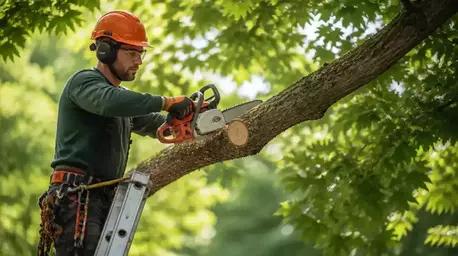
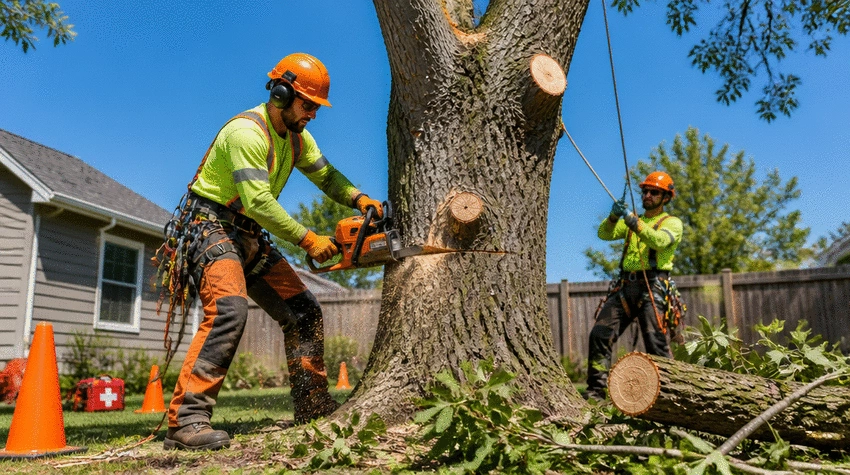
Utilizing personal protective equipment minimizes the risk of injury during operations.
Assessing the worksite for potential hazards helps in planning safe operations.
Defining roles and responsibilities within the team enhances operational safety.
When it comes to tree removal, safety should always be the top priority. At Arbor & Trust, we believe that understanding safety protocols is essential for both tree care professionals and homeowners alike. This knowledge not only protects the crew but also ensures the safety of bystanders and property during operations. By implementing and adhering to these protocols, we can create a safer, more secure environment for everyone involved.
Tree removal is a complex task that involves various risks. It’s vital to understand that each step taken in the process is crucial for minimizing hazards. When I consider the importance of safety, I often think of it as the backbone of the entire operation. Without thorough safety practices, accidents can happen, leading to injuries or property damage.
Safety protocols serve several critical purposes in the tree removal industry. First and foremost, they help protect workers from potential injury. Additionally, they ensure that the tree removal process is efficient and effective, which ultimately leads to satisfied customers. In my experience, emphasizing safety can also enhance a company’s reputation—something we strive for at Arbor & Trust! To learn more about selecting a qualified professional, read about identifying a quality tree service.
There are specific risks that professionals must be aware of when removing trees. Some of the most common risks include:
Being aware of these risks helps tree service contractors like myself take proactive measures to protect our teams and clients alike. Always remember, safety is not a one-time event; it's a continuous commitment that can save lives.
Before any tree removal operation begins, a thorough assessment is crucial. This can make a significant difference in ensuring the safety of everyone involved. At Arbor & Trust, we emphasize taking the time to properly evaluate the work site and plan accordingly. After all, a well-planned job is a safer job!
A comprehensive site hazard evaluation is the first step in ensuring safety. This involves taking stock of the surroundings and identifying any potential risks. Have you ever been surprised by the unexpected? Well, here are some crucial elements to consider during your evaluation:
Once we identify the risks, we can take steps to mitigate them. At Arbor & Trust, we value the idea that awareness is key. By recognizing these hazards before beginning work, we create a safer environment for our team and the public. Always trust your instincts during this phase; if something feels off, it’s better to address it upfront.
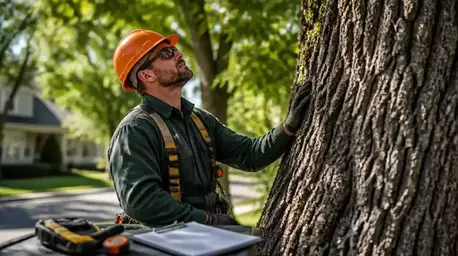
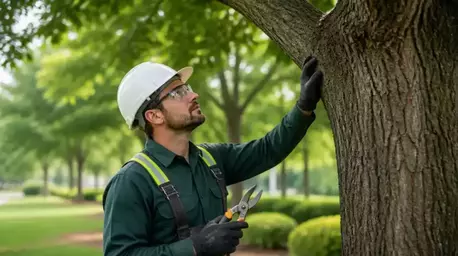
Before taking down a tree, it's essential to assess its overall health and stability. A thorough evaluation includes checking for signs of disease, structural integrity, and root stability. Some key indicators to look for are:
By understanding the condition of the tree, we can make informed decisions about how to proceed safely.
Strong communication is vital for a successful tree removal operation. At Arbor & Trust, we believe that every team member should feel empowered to share insights and concerns. This collaborative spirit fosters a safer work environment where everyone is on the same page.
Assigning clear roles helps ensure that everyone knows what is expected of them. A well-coordinated team can work more efficiently and safely together. Here’s how to establish those roles:
Before starting any job, conducting a safety briefing is crucial. This short meeting allows the team to discuss the plan, review potential risks, and reinforce safety protocols. It’s a chance to clarify any uncertainties, ensuring that everyone feels confident in their role. You might think of it as a team huddle before a big game! Assessing tree care contractor quality includes observing their pre-operation briefings.
Implementing a robust risk assessment and Job Safety Analysis (JSA) is key to a safe operation. These practices help us identify potential dangers before they become an issue. At Arbor & Trust, we prioritize these assessments to maintain high safety standards.
Every tree removal project is unique, requiring tailored safety plans. By creating a site-specific safety plan, we can address the specific risks associated with that environment. This plan should include:
By planning ahead, we can navigate the complexities of tree removal with confidence! Remember, safety isn't just a checklist; it's a mindset we cultivate as a team.
Did you know? Regularly involving your team in safety drills not only reinforces safety protocols but also enhances team cohesion. Practicing various emergency scenarios can prepare your crew for real-life situations, making safety a shared responsibility that everyone is invested in!
When it comes to tree removal, understanding safety protocols is essential for both the professionals and the homeowners involved. At Arbor & Trust, we emphasize how a commitment to safety not only protects workers but also safeguards the community. The importance of adhering to stringent safety measures can’t be overstated. Every tree removal operation carries inherent risks, and acknowledging these can help in preventing accidents and ensuring a smoother process.
Another significant takeaway is recognizing that safety is not a one-time checklist but an ongoing priority. Continuous training and improvement are key elements that every tree service should embrace. This commitment to safety ensures that arborists are well-prepared to handle any unexpected challenges that may arise during a job.
Safety should always be at the forefront of tree removal operations. Whether it’s ensuring proper use of equipment or having effective communication among team members, every detail matters. Homeowners, too, play a vital role in this by hiring professionals who adhere to safety protocols. When you choose a qualified tree service, you’re not just ensuring the job gets done; you’re investing in a safer environment for yourself and your neighbors!
Here are some critical aspects of safety in tree removal:
At Arbor & Trust, we believe that continual learning is vital for tree service professionals. Implementing safety training programs can significantly enhance the skills of your team and ultimately lead to safer operations. Ground safety training, in particular, should be a cornerstone of any tree care service. This training not only covers equipment use but also focuses on emergency response and hazard recognition.
Creating a culture of safety starts with robust training programs. Here are some essential elements to consider:
By focusing on continuous improvement and education, tree service companies can ensure they are not just meeting standards but exceeding them. This commitment reflects the values at the heart of Arbor & Trust, where we strive to empower both professionals and homeowners in making informed choices about tree care. For further insight into ensuring safety, consider hiring a safe arborist.
Encouraging safe practices is a community effort! At Arbor & Trust, we provide resources that help both homeowners and professionals understand the importance of safety in tree care. The more informed everyone is, the safer our communities will be. Through education and sharing experiences, we can promote a culture of safety that benefits everyone involved.
It’s essential for homeowners to have access to the right information when it comes to tree removal. Having safety checklists and additional guidelines can empower you to make better decisions. Here are some useful resources to consider:
These resources not only inform but also help build trust between tree care professionals and the community. Ensure you understand how to verify tree service insurance coverage.
Your experiences matter! At Arbor & Trust, we encourage readers to share their insights and feedback regarding tree removal safety. Have you ever encountered a near-miss during a tree service? Sharing these experiences can help others learn and adapt their practices to prioritize safety.
By fostering an open dialogue about safety, we can collectively improve our practices and reduce risks. Reporting near-misses is crucial in creating a safety culture that values continuous improvement. Here’s how you can contribute:
In conclusion, promoting safe practices in tree removal is not just about following rules; it’s about creating a community that values safety and well-being. Together, let’s ensure a safer future for our trees and the people who care for them!
Here is a quick recap of the important points discussed in the article:
By Elena Thornton / Oct 15
By Elena Thornton / Oct 08
By Elena Thornton / Sep 29