Finding Certified Tree Care Specialists
By Elena Thornton / Oct 15
In a world where workplace safety can often be overlooked, the importance of arborist safety training cannot be overstated. With tree care workers facing unique hazards daily, understanding the significance of proper training can safeguard lives and enhance operational efficiency. The right training not only protects employees but also fosters trust with clients and strengthens the reputation of tree care services. Are you ready to elevate your knowledge about safety in arboriculture?
Highlighting the essential benefits of arborist safety training for a safer and more compliant work environment.
Training equips arborists with tools to identify and manage risks effectively, leading to safer job sites.
Following safety regulations assures clients of the professionalism of your services and fosters trust.
Safety training encourages teamwork and a shared responsibility for safety on the job site.
Fewer accidents mean fewer claims, leading to reduced premiums for businesses.
Workers are more likely to stay with a company that values their safety and well-being.
A commitment to safety can differentiate your business in a competitive market.
When it comes to tree care, safety is not just a buzzword—it's a fundamental necessity! At Arbor & Trust, we understand how crucial it is for arborists to be equipped with the right skills and knowledge to navigate their work environments safely. Arborist safety training plays a vital role in reducing risks and ensuring that both workers and the public remain safe during tree care operations. Let's delve into the core reasons why this training is essential. To learn more about how we prioritize safety, check out our guide on safety first in tree care.
First and foremost, safety training protects employees from workplace hazards that can be prevalent in tree care. Arborists often work with heavy equipment, climb trees, and handle potentially dangerous materials. By investing in safety training, we empower workers to identify hazards and respond effectively, which ultimately reduces the chance of accidents and injuries.
Moreover, comprehensive safety training enhances jobsite compliance with local regulations. Arborists who are well-trained in safety protocols are better prepared to follow legal requirements and industry standards. This not only protects them but also fosters trust with clients who expect professional and safe tree care services.
Reducing hazards begins with education. Arborist safety training includes comprehensive lessons on common risks, such as falls from heights, equipment mishaps, and electrical hazards. By understanding these dangers, arborists can take proactive measures to mitigate them, ensuring a safer working environment.
Additionally, training programs often involve hands-on practice, allowing arborists to get familiar with their equipment and safety procedures. This practical experience reinforces their ability to react swiftly and appropriately when challenges arise. A well-prepared arborist is a safe arborist!
Jobsite compliance is no small feat, especially in an industry that frequently evolves. Arborist safety training helps ensure that all team members are up-to-date with the latest safety standards and regulations. This knowledge is essential, as it not only protects employees but also enhances the reputation of tree care companies like Arbor & Trust. You can learn more about arborist safety regulations explained in detail on our blog.
By focusing on compliance, we help create a culture of safety in the workplace. Employees who understand and prioritize safety are more likely to share this mindset with peers, leading to an overall safer environment for everyone involved in tree care.
Effective arborist safety training is comprehensive and covers a range of essential topics. The foundation rests on job-specific hazards, such as those related to climbing, chainsaws, and electrical safety. By understanding these areas, arborists can effectively navigate the challenges they may face on the job.
Furthermore, personal protective equipment (PPE) is a crucial component of safety training. Arborists need to know what gear to use, when to use it, and how to maintain it. This not only safeguards their health but also reinforces a culture of safety within their teams.
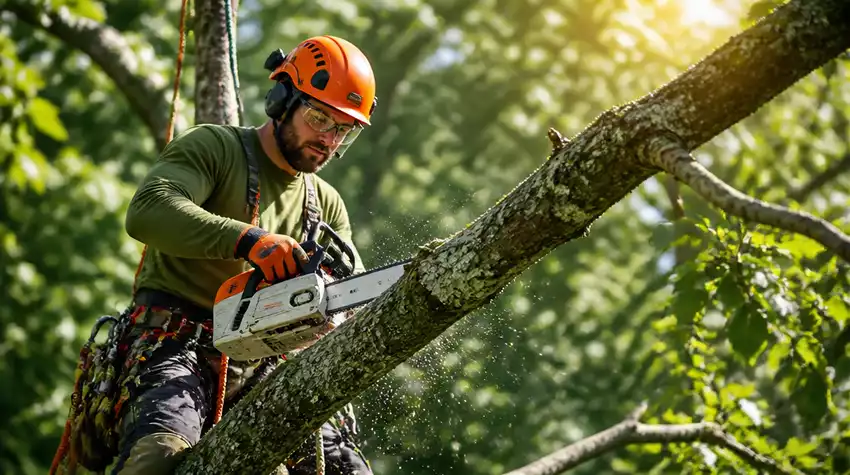
Each aspect of arborist work comes with its unique set of hazards. For example, climbing can present risks such as falls, while chainsaw operation involves managing sharp blades and kickbacks. Through targeted training, arborists learn to identify these job-specific hazards and implement control measures to stay safe.
Equally important is electrical safety, especially when working near power lines. Training programs ensure that arborists understand how to work safely around these hazards, protecting themselves and their coworkers from potential electrical accidents.
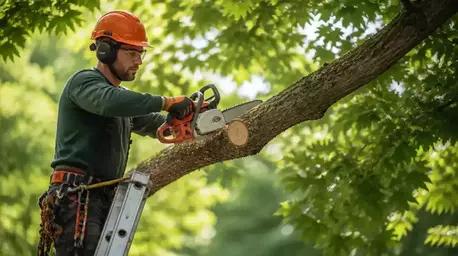
The right gear is vital for any arborist. PPE requirements often include helmets, eye protection, gloves, and harnesses. During training, arborists learn how to properly select, use, and maintain this equipment to maximize their safety on the job.
Additionally, they are taught the importance of regularly inspecting their PPE to ensure it remains in good condition. This proactive approach to safety can prevent workplace injuries and contribute to a culture of responsibility and care.
Staying compliant with OSHA regulations is a cornerstone of arborist safety training. These regulations are designed to protect workers in all industries, and arborists are no exception. By familiarizing themselves with these rules, arborists can maintain a safer work environment and avoid potential fines. For more information on verifying credentials, you can read our article on verifying arborist credentials made simple.
Training programs that focus on OSHA standards empower arborists to understand their rights and responsibilities. This knowledge fosters a safer workplace and encourages employees to advocate for their safety and well-being.
ANSI (American National Standards Institute) standards play a critical role in shaping safety practices across industries, including arboriculture. These standards provide guidelines that ensure safe working procedures are in place. By integrating ANSI standards into safety training, we can enhance the effectiveness of the programs offered.
Understanding these standards helps arborists align their practices with industry best practices, which boosts their credibility and professionalism in the field. Upholding these standards is vital for fostering a safe working environment for all tree care professionals.
The International Society of Arboriculture (ISA) provides valuable resources and best practices for arborists. Integrating ISA guidelines into safety training programs can create a comprehensive learning experience. This not only enhances safety knowledge but also ensures that arborists are well-informed about the latest industry trends and techniques.
By incorporating ISA practices, Arbor & Trust promotes a culture of continuous learning and safety among arborists. This commitment to education helps create a more competent and confident workforce in tree care.
In the world of tree care, emergencies can happen at any time. That's why emergency preparedness training is a crucial aspect of safety education. Arborists must be equipped to handle unexpected situations, from accidents to severe weather conditions.
Training in aerial rescue procedures and techniques not only prepares arborists for potential rescues but also instills confidence in their ability to act swiftly. This knowledge can save lives, making it an essential part of their training.
Aerial rescues can be complex and require specialized training. Arborists learn techniques that ensure they can safely rescue a colleague in distress. This training emphasizes quick thinking and effective communication, critical skills that can make all the difference in an emergency.
Practicing these techniques in a controlled environment allows arborists to gain the confidence and competence to respond effectively when it matters most.
Knowing CPR and first aid is invaluable for arborists. In emergencies, every second counts, and having the skills to administer first aid can save lives. Training programs should include hands-on practice to ensure that arborists are prepared to respond to various medical emergencies.
Furthermore, understanding these basics fosters a culture of safety within teams. When everyone is equipped with these skills, it enhances overall workplace safety and readiness.
Establishing emergency response protocols is crucial for any tree care operation. Arborists must be familiar with procedures to follow during emergencies, whether it's an equipment malfunction or a colleague's injury. This knowledge ensures that they can act quickly and efficiently, minimizing risks during critical situations.
Regular drills and training sessions help reinforce these protocols, ensuring that every team member knows their role in an emergency. At Arbor & Trust, we believe that preparedness is vital for creating a safe working environment for everyone. To further protect your team and clients, understanding how to verify tree service insurance coverage is also essential.
To maximize the effectiveness of your arborist safety training, consider incorporating regular refresher courses. Continuous education helps reinforce safety protocols and keeps everyone updated on the latest industry standards, ensuring that your team remains proficient and confident in their skills.
As we wrap up our exploration of arborist safety training, it’s vital to reflect on its significance for both employees and the industry as a whole. At Arbor & Trust, I believe that investing in safety training is not just a regulatory requirement; it's a commitment to ensuring the well-being of arborists and the communities they serve. Safety training creates a culture of awareness, reduces incidents, and ultimately leads to more efficient tree care practices!
To ensure we’re all on the same page, let's highlight the key takeaways regarding safety, compliance, and the efficacy of training programs. Understanding these elements can guide organizations in making informed decisions about their safety practices:
Understanding the core benefits of arborist safety training can be a game-changer for any tree care business. By focusing on safety, compliance, and training efficacy, companies can foster a safer work environment while promoting professional growth among their team members. Here are some essential points to remember:
Ultimately, when organizations invest in comprehensive training programs, they are not only protecting their workers but also strengthening the foundation of the tree care industry!
Investing in arborist training programs has long-term benefits that extend beyond immediate safety concerns. Businesses that prioritize safety training often see:
These benefits not only create a safer environment but also lead to sustained growth and success for organizations like Arbor & Trust, where safety and professionalism are at the forefront.
Now that we understand the importance of arborist safety training, it’s time to take action! I encourage all organizations in the tree care industry to adopt comprehensive training solutions that prioritize safety and compliance. By doing so, we can create a safer environment for everyone involved, from the ground crew to the climbers!
Here are some steps to get started:
At Arbor & Trust, we believe in advocating for a strong safety culture within the arboricultural community. Together, we can push the envelope on safety standards and ensure that every tree care professional returns home safe and sound at the end of each day!
Finding the right resources for arborist safety training can be a daunting task, but it doesn't have to be! Here are a few tips to help you navigate the options:
By taking these steps, we can work toward a safer tree care environment together!
Lastly, let’s not forget that building a safety culture requires ongoing commitment from everyone in the industry. Whether you’re a business owner, an arborist, or a client, we all have a role to play in advocating for safety training. Share your experiences, promote training opportunities, and encourage others to prioritize safety! For additional guidance, consider exploring our article on how to find local arborists easily who prioritize safety.
When we come together as a community, we can elevate our industry standards and ensure that safety remains a top priority for all tree care professionals. Remember, every little step counts in making a big difference!
Here is a quick recap of the important points discussed in the article:
By Elena Thornton / Oct 15
By Elena Thornton / Oct 08
By Elena Thornton / Sep 29