Finding Certified Tree Care Specialists
By Elena Thornton / Oct 15
When it comes to tree care, making informed choices can drastically affect the health of your landscape. The right arborist doesn't just trim branches; they provide essential services that safeguard your trees and property, ensuring your green investments thrive.
Understanding the services provided by arborists can help you select the right one for your tree care needs. For more insights on finding local professionals, explore our guide on how to find local arborists easily.
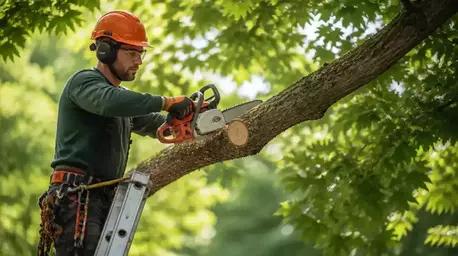
Essential for maintaining tree health and aesthetics, this service enhances the tree's shape and promotes growth.
Safely removing dead or dangerous trees helps protect your property and improves the landscape.
Improving soil quality is critical for tree health, ensuring your trees have the nutrients they need to thrive.
Identifying and treating tree ailments early can save trees and maintain the overall health of your landscape.
When it comes to caring for our trees, choosing a qualified arborist is essential. Just like how you wouldn't let an untrained person handle your car repairs, the same goes for tree care. Trust me; I’ve seen firsthand the difference a professional can make! A skilled arborist not only keeps your trees healthy but also ensures safety for your property and loved ones.
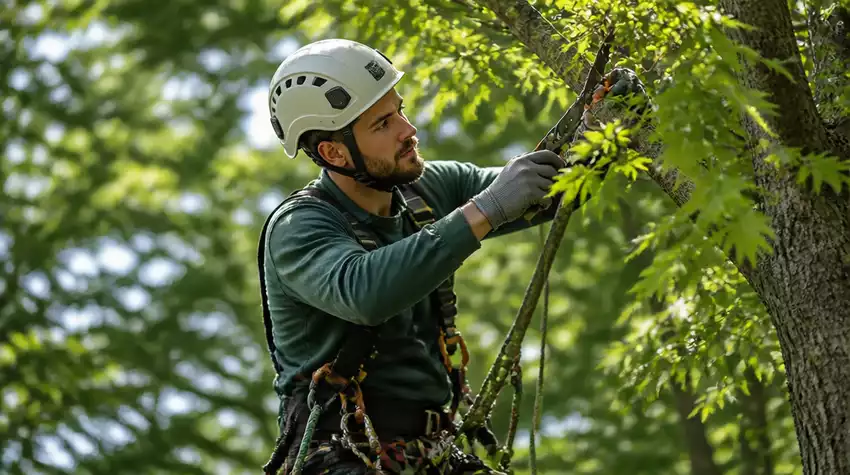
So, what exactly does a professional arborist do? An arborist is a trained specialist in the science and art of planting, caring for, and maintaining trees. Their expertise encompasses everything from understanding tree biology to recognizing diseases. It's fascinating how much goes into keeping our green friends thriving, isn't it?
Some of the key responsibilities of an arborist include:
In essence, an arborist acts as a tree doctor. They diagnose and treat tree ailments, ensuring our landscapes remain vibrant and healthy. I’ve often seen how a simple consultation can save a tree from dying or being a safety hazard. By investing in a professional, you’re really investing in the longevity of your trees!
Understanding the services provided by arborists can help you select the right one for your tree care needs. Here are some common services:
Each of these services plays a vital role in keeping your trees healthy and beautiful. A reputable arborist will customize their approach based on your unique landscape needs, ensuring that your trees get the care they deserve! For those interested in understanding more about safety measures in tree care, we recommend reviewing safety first in tree care.
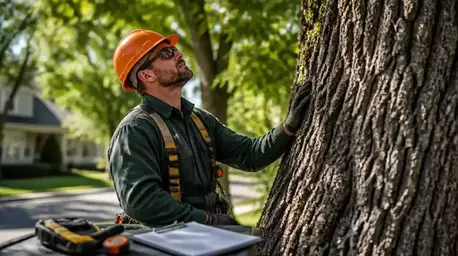
An essential part of an arborist's job is conducting tree health assessments. This process helps identify potential issues before they become major problems. During an assessment, an arborist will check for signs of disease, pests, and environmental factors that could affect tree health.
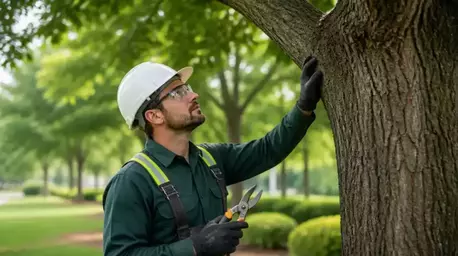
Additionally, risk assessments are crucial in determining the safety of trees on your property. This includes inspecting for structural weaknesses and potential hazards. By addressing these concerns proactively, you can protect your home and family while enhancing the beauty of your landscape!
It's not enough just to find an arborist; you have to evaluate them carefully. The right arborist will not only have the skills but will also align with your values regarding safety and professionalism. This is where understanding their credentials and qualifications comes into play.
When selecting an arborist, consider not only their qualifications but also their communication style. A great arborist will take the time to explain their methods and answer your questions comprehensively. This transparency is a good indicator of their professionalism and helps ensure you’re both on the same page regarding your tree care needs.
When it comes to choosing the right arborist, verifying their credentials is an essential step. After all, you want someone who knows their stuff and has the qualifications to back it up! At Arbor & Trust, we emphasize this process because it can save you from potential headaches down the road.
To ensure you’re hiring the best, follow these steps to verify an arborist's credentials. It’s like putting together a puzzle—every piece matters. You’ll want to check their certifications, memberships, and insurance details to paint a complete picture.
First things first, let’s dive into how to confirm an arborist's certifications. You can start by verifying if they are an ISA Certified Arborist. This certification shows they’ve undergone rigorous testing and have a solid understanding of tree care best practices.
Next, consider checking their membership in professional organizations. Membership with groups like the International Society of Arboriculture (ISA) or Tree Care Industry Association (TCIA) indicates a commitment to ongoing education and ethical practices. For a detailed guide on verifying credentials, check out our article on verifying arborist credentials made simple.
To confirm ISA certification, simply visit the ISA website where they have a directory of certified professionals. Input the arborist's name or ID number to see if they are listed. This process is quick and gives you confidence in their qualifications.
For memberships, most reputable arborists will proudly display their affiliations on their websites or business cards. If you’re unsure, don’t hesitate to ask them directly. A professional will be more than happy to share this information!
Insurance is crucial when hiring an arborist. You’ll want to ensure they have the appropriate coverage, including liability and workers’ compensation. This protects you in case of accidents or damage during the job.
To verify their insurance details, ask for a copy of their insurance certificate. You can also contact their insurance company directly for confirmation. Don't forget to check their licenses. Each state has specific regulations for arborists, so make sure they’re compliant.
Understanding the arboricultural practices your chosen arborist follows is vital. Ask them about their approach to tree care, especially when it comes to techniques like pruning, fertilization, and pest management. A knowledgeable arborist will be eager to share their methods with you. For a deeper dive into what questions to ask, read our guide on key questions for hiring arborists.
It’s also beneficial to inquire about their experience with specific tree species in your area. This local knowledge can make a big difference in the health and longevity of your trees!
Choosing an arborist isn’t just about the price; it’s about value. While it’s tempting to go for the cheapest option, remember that quality service often comes at a premium. At Arbor & Trust, we encourage you to think about what you’re getting in terms of expertise and long-term care.
When comparing estimates, focus on the scope of work included in each bid. Cheaper bids may cut corners, which could lead to more costs in the future. Make sure to discuss everything that’s included and any follow-up services offered!
Here is a quick recap of the important points discussed in the article:
By Elena Thornton / Oct 15
By Elena Thornton / Oct 08
By Elena Thornton / Sep 29